
Top 7 Tips for Cross-Border Heavy Haul Shipping
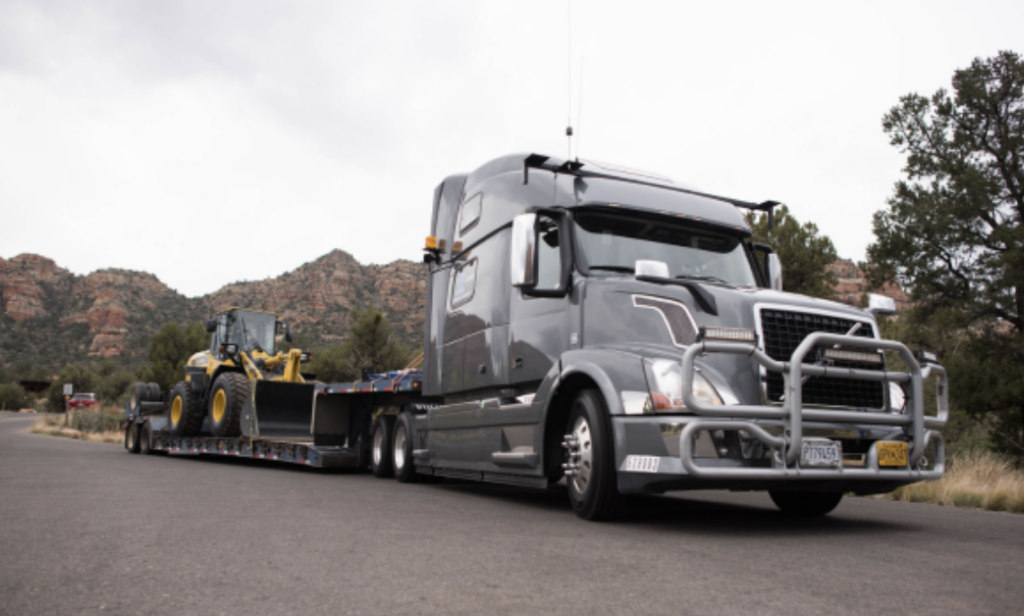
Moving heavy haul freight between the United States and Mexico requires route engineering, advance permits in both countries, verified Mexico capable insurance, and a provider with proven heavy haul experience on both sides of the border. Plan 2–3 weeks ahead (or more) to secure specialized equipment and permits, choose the right crossing and transfer method, and share complete technical specs up front to avoid rework and delays.
The following guidelines provide steps shippers can take to keep oversized freight moving safely, legally, and on schedule while crossing the border.
1. Know When Your Freight Is “Oversize/Overweight”
Oversize freight includes any load that exceeds the legal dimensions or weight limits defined by transportation authorities. Oversize freight thresholds differ by country and often by state/corridor and route.
Governing Authorities
Federal, state and local rules may govern transportation requirements. It is important to know the weight and height for each load to comply with applicable regulations and prevent costly delays.
Key Takeaway: Verify the precise height and weight of each load and check oversize freight limits for each jurisdiction along the shipment route according to federal, state, and local regulations.
2. Engineer the Route—And Select the Right Border Crossing
Many heavy haul shipments require engineered routes designed to safely accommodate oversized freight. Work with a transportation provider experienced in cross-border and heavy haul operations to reduce the likelihood of unexpected detours and delays.
Key Elements of Route Engineering
- Structural Analysis
- Geometric Assessment
- Route Mapping and Modeling
- Traffic & Safety Planning
- Permitting and Compliance
- Risk Mitigation
- CrossBorder Route Considerations
Border Infrastructure: Not all border gateways can accommodate heavy haul shipments. In Laredo for example, oversized or overweight freight is often routed through the Columbia bridge rather than the World Trade bridge, as it has wider lanes and higher clearances. Make sure the chosen gateway is compatible based on the destination and restrictions identified during quoting.
Customs Broker Authorized Ports: Shippers importing or exporting in Mexico are required to use a Mexico Customs Broker. Brokers can only file customs entries at a limited quantity of ports, which can unexpectedly limit heavy haul route options if not verified beforehand.
Route Restrictions in Mexico: Mexico regulations require carriers to follow approved corridors to avoid narrow lanes, sharp curves, or bridge weight limits, especially in low-capacity rural roads.
Key Takeaway: Heavy haul shipments demand precise route engineering and attention to border infrastructure and regulatory factors to prevent delays and mitigate risk.
Read more: LANDSTAR